Mental health is a crucial aspect of our overall well-being, yet it often remains overlooked, especially among students. With the increasing pressures of academics, social life, and the transition to adulthood, it’s essential to address mental health openly and informatively.
Whether you are preparing a presentation for your class, a school project, or a seminar, choosing the right mental health topic can make a significant impact.
This comprehensive guide will provide you with over 100 mental health topics for presentations that are suitable for students. From basic awareness to in-depth discussions on specific disorders, these topics will help you craft an engaging and educational presentation.
Why Mental Health Matters for Students
Before diving into the topics, it’s important to understand why mental health matters for students:
- Academic Performance: Mental health issues can severely affect a student’s ability to concentrate, remember, and perform academically.
- Social Life: Poor mental health can lead to social withdrawal, impacting relationships with friends and family.
- Physical Health: Mental and physical health are interconnected. Anxiety and depression can lead to various physical health problems, such as sleep disturbances and weakened immune systems.
- Long-term Impact: Early intervention in mental health issues can prevent long-term problems and help students develop coping skills that will serve them throughout life.
How to Choose Mental Health Topics for Presentation?
When choosing a mental health topic for a presentation, consider the following factors:
- Relevance: Choose a topic that resonates with your audience. Consider the age group, cultural background, and current issues affecting your peers.
- Scope: Ensure the topic is neither too broad nor too narrow. For instance, “Mental Health” is too broad, while “The Role of Omega-3 in Managing Anxiety” might be too specific for a general audience.
- Resources: Choose a topic for which you can find reliable and credible resources to support your presentation.
List of 100+ Mental Health Topics for Students
Find the topics listed below for your next presentation, explore 100+ topics that are trending and suitable for every use.
General Mental Health Awareness Topics
| Topic | Best For | |
|---|---|---|
| What is Mental Health? | Students & Educators | |
| The Importance of Mental Health in Daily Life | General Audience | |
| Mental Health vs. Mental Illness: What’s the Difference? | Health Professionals | |
| The Impact of Mental Health on Academic Performance | Students & Teachers | |
| How to Talk About Mental Health with Friends and Family | Support Networks | |
| The Stigma Surrounding Mental Health: How to Overcome It | Awareness Campaigns | |
| Mental Health Statistics and Trends Among Students | Researchers & Educators | |
| How to Support a Friend with Mental Health Issues | Peer Support Groups | |
| The Role of School Counselors in Supporting Student Mental Health | School Counselors | |
| The Connection Between Mental and Physical Health | Health Educators |
Specific Mental Health Disorders
| Topic | Best For | |
|---|---|---|
| Understanding Depression: Symptoms and Treatment | Mental Health Professionals | |
| Anxiety Disorders: Types, Symptoms, and Coping Strategies | Therapists & Counselors | |
| Bipolar Disorder: Managing the Highs and Lows | Support Groups | |
| Attention Deficit Hyperactivity Disorder (ADHD) in Students | Educators & Parents | |
| Eating Disorders: Anorexia, Bulimia, and Binge Eating | Mental Health Educators | |
| Obsessive-Compulsive Disorder (OCD): Myths and Facts | Therapists | |
| Post-Traumatic Stress Disorder (PTSD) in Young Adults | Mental Health Professionals | |
| Social Anxiety Disorder: Overcoming Fear of Social Situations | Counselors & Therapists | |
| Schizophrenia: Early Signs and Treatment Options | Mental Health Specialists | |
| Borderline Personality Disorder: Understanding the Basics | Support Groups |
Mental Health and Academic Stress
| Topic | Best For | |
|---|---|---|
| The Impact of Academic Pressure on Mental Health | Educators & Students | |
| Time Management Techniques for Reducing Stress | Students & Teachers | |
| How to Deal with Exam Anxiety | Students & Parents | |
| Balancing Academic and Social Life for Better Mental Health | Students | |
| The Role of Extracurricular Activities in Reducing Stress | School Counselors | |
| How to Create a Healthy Study Routine | Students | |
| Coping with Academic Failure and Rejection | Students & Educators | |
| The Importance of Sleep for Mental Health and Academic Success | Students & Teachers | |
| Strategies for Managing Procrastination and Overwhelm | Students | |
| How to Set Realistic Academic Goals | Students |
Mental Health and Technology
| Topic | Best For | |
|---|---|---|
| The Impact of Social Media on Mental Health | Mental Health Advocates | |
| How to Manage Screen Time for Better Mental Well-being | Students & Parents | |
| Cyberbullying and Its Effects on Mental Health | Counselors | |
| The Role of Digital Detox in Mental Health | Therapists & Students | |
| Online Therapy and Mental Health Apps: Are They Effective? | Mental Health Professionals | |
| Gaming Addiction: Understanding and Managing It | Counselors & Parents | |
| How to Use Technology Mindfully | Students | |
| The Role of Telehealth in Student Mental Health Care | Healthcare Providers | |
| The Connection Between Sleep and Screen Time | Students & Teachers | |
| Using Technology for Mental Health Education and Support | Mental Health Educators |
Mental Health and Relationships
| Topic | Best For | |
|---|---|---|
| The Impact of Family Dynamics on Mental Health | Family Therapists | |
| How to Navigate Romantic Relationships and Mental Health | Counselors | |
| Building Healthy Friendships for Mental Well-being | Students & Counselors | |
| Managing Peer Pressure and Its Effects on Mental Health | Youth Groups | |
| The Role of Communication in Relationship Health | Relationship Counselors | |
| How to Handle Toxic Relationships and Emotional Abuse | Therapists | |
| Understanding and Managing Loneliness in College | Students & Counselors | |
| Setting Boundaries for Better Mental Health | Mental Health Professionals | |
| The Role of Support Systems in Mental Health Recovery | Support Networks | |
| How to Cultivate Empathy and Understanding in Relationships | Educators & Therapists |
Mental Health and Lifestyle
| Topic | Best For | |
|---|---|---|
| The Role of Nutrition in Mental Health | Nutritionists & Students | |
| Exercise and Mental Health: The Science Behind It | Fitness Enthusiasts | |
| Mindfulness and Meditation: Techniques for Students | Students | |
| The Benefits of Journaling for Mental Health | Therapists | |
| Art Therapy: Using Creativity for Emotional Expression | Art Therapists | |
| The Role of Music and Dance in Emotional Healing | Music Therapists | |
| Yoga and Its Benefits for Mental Health | Wellness Coaches | |
| The Importance of Hobbies and Leisure Activities | Mental Health Advocates | |
| How to Develop a Self-Care Routine | Counselors | |
| Managing Mental Health Through Gratitude Practice | Mental Health Professionals |
Mental Health and Social Issues
| Topic | Best For | |
|---|---|---|
| The Impact of Racism and Discrimination on Mental Health | Diversity Advocates | |
| LGBTQ+ Students and Mental Health: Challenges and Support | Counselors | |
| How Socioeconomic Status Affects Mental Health | Social Workers | |
| Understanding and Managing Stress in Immigrant Students | Counselors | |
| The Role of Community in Supporting Student Mental Health | Community Leaders | |
| Mental Health Challenges Faced by First-Generation Students | Educators | |
| Addressing Substance Abuse and Mental Health | Healthcare Providers | |
| How to Advocate for Mental Health in Your Community | Community Advocates | |
| The Impact of Trauma and Abuse on Mental Health | Therapists | |
| Mental Health and Violence: Prevention and Support | Law Enforcement |
Tips for Creating an Effective Mental Health Presentation
- Start with a Strong Introduction: Begin your presentation with a compelling story, statistic, or question to grab your audience’s attention.
- Use Visuals: Incorporate charts, graphs, and images to illustrate your points. Visuals can help make complex information more digestible.
- Incorporate Personal Stories: If you feel comfortable, share personal experiences or stories that relate to your topic. This can make your presentation more relatable and impactful.
- Include Interactive Elements: Engage your audience with Q&A sessions, polls, or group discussions. This encourages participation and helps deepen understanding.
- Use Reliable Sources: Ensure your information is accurate and up-to-date by consulting academic journals, mental health organizations, and expert interviews.
- End with a Call to Action: Encourage your audience to take specific actions, such as seeking help when needed, supporting others, or learning more about mental health.
Convert Mental Health Topics into Stunning Presentations with AI
Creating a presentation on mental health can take hours, from researching the topic to designing slides that actually keep your audience engaged. That’s where MagicSlides AI PPT Maker can help.
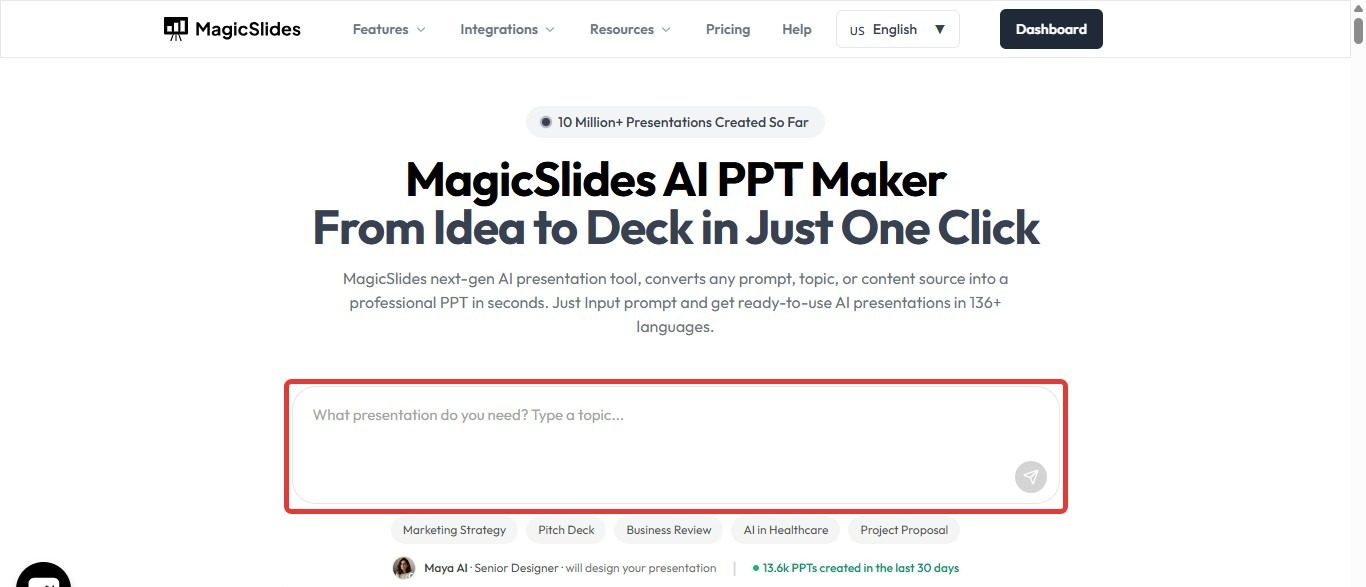
With MagicSlides, Topic to PPT Converter, students and educators can instantly turn any mental health topic into a professional presentation in just a few clicks. Whether you’re preparing a classroom seminar, awareness campaign, psychology project, or workshop presentation, the tool helps you save time while creating visually appealing slides.
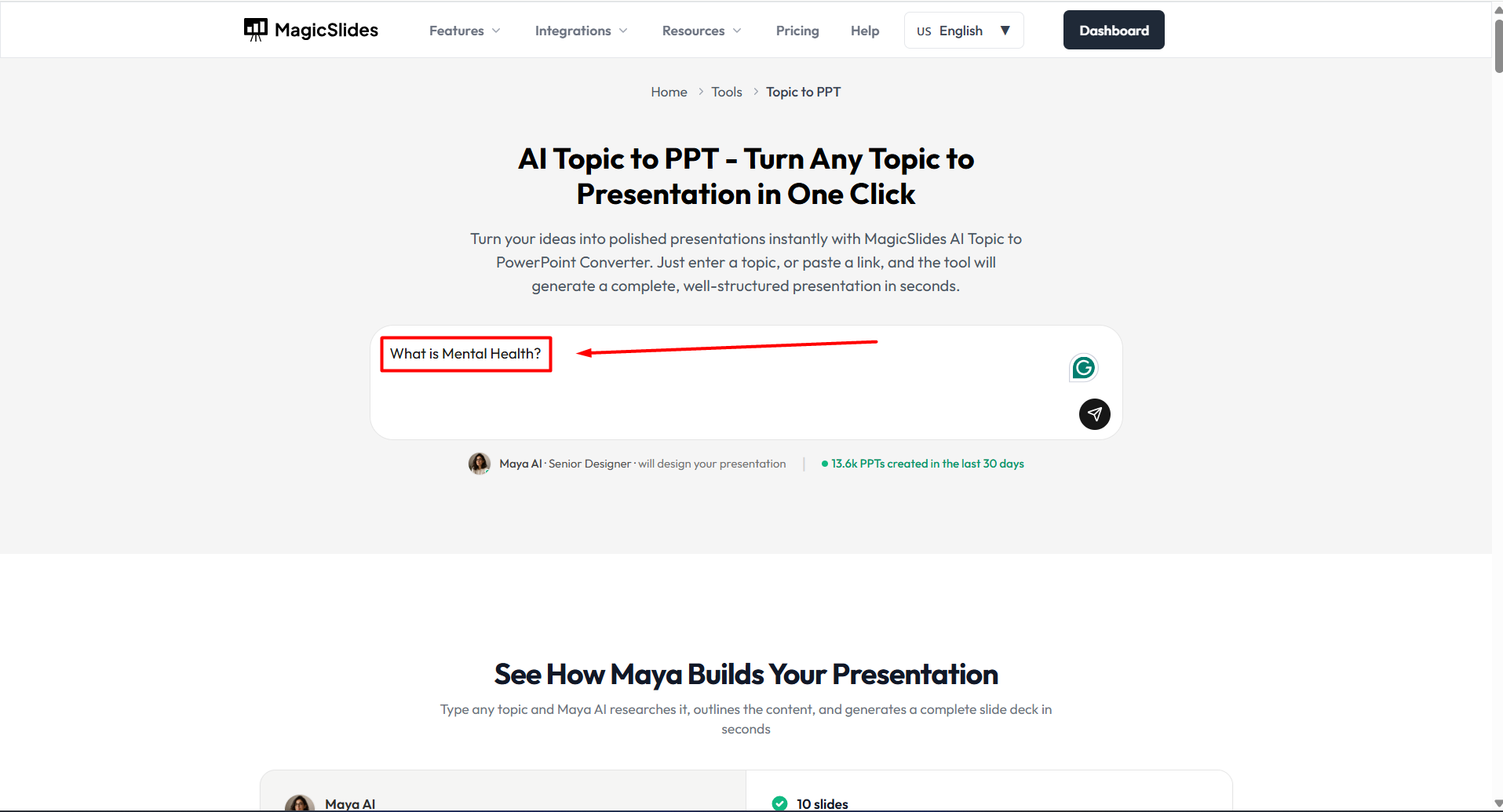
Why Use MagicSlides for Mental Health Presentations?
- Convert topics into ready-to-edit PPTs instantly
- Generate structured slides with headings and key points
- Add AI-generated visuals and modern slide designs
- Perfect for students, teachers, and awareness campaigns
- Works for both technical and non-technical presentation topics
Also read: 150+ Controversial Topics to Debate Write, or Speak About
Conclusion
Choosing the right mental health topic for your presentation can make a significant difference in raising awareness and fostering understanding among students. By exploring the topics listed above, you can create an engaging and informative presentation that resonates with your audience. Remember, the goal is not just to inform but to inspire and support your peers in their mental health journeys.
If you’re passionate about mental health, consider starting a club, hosting workshops, or collaborating with your school’s counseling department to create ongoing support initiatives. The conversation around mental health is evolving, and every effort counts in making a positive impact!
Leave a Reply