Communication barriers can turn simple conversations into misunderstandings, confusion, and missed opportunities. Whether in workplaces, classrooms, healthcare, or daily life, barriers like noise, language differences, stress, and cultural misunderstandings affect how people share and receive information. In this guide, you’ll discover the major types of communication barriers, real-life communication barriers examples, and practical ways to overcome them for clearer and more effective communication.
What are Communication Barriers?
A communication barrier is anything that prevents a message from being properly understood between the sender and receiver.
AEO Answer:
Examples of communication barriers include noise in a meeting room, cultural misunderstandings between team members, or technical glitches during an online call.
Why they matter: When barriers aren’t addressed, they cause misinterpretations, reduced productivity, strained relationships, and lost opportunities — whether in schools, offices, or daily life.
Types of Communication Barriers (With Examples)
a) Physical Barriers
Definition: Physical barriers occur when environmental factors disrupt the flow of communication.
Examples of physical communication barriers:
- Workplace: A factory manager struggles to give instructions because of loud machinery.
- Students: A lecture hall with poor acoustics makes it hard for students to hear.
- Daily life: Talking to a friend on a busy street where traffic noise drowns out voices.
b) Psychological Barriers
Definition: Mental states, emotions, or attitudes that interfere with communication.
Examples of psychological barriers:
- Workplace: An employee too stressed to absorb new instructions.
- Students: A shy student avoiding asking questions out of fear of judgment.
- Daily life: Prejudice against someone’s accent leading to dismissing their input.
c) Semantic / Language Barriers
Definition: Misunderstandings caused by words, jargon, or language differences.
Examples of semantic barriers:
- Workplace: IT staff using technical jargon that non-technical employees can’t follow.
- Students: A student misinterpreting slang used by classmates.
- Daily life: Misunderstanding text messages due to ambiguous wording.
d) Cultural Barriers
Definition: Differences in values, beliefs, traditions, or accents that block mutual understanding.
Examples of cultural barriers:
- Workplace: A multicultural team misinterpreting gestures that mean different things across cultures.
- Students: International students struggling with local idioms in class.
- Daily life: Miscommunication at a wedding ceremony due to different traditions.
e) Organizational Barriers
Definition: Issues caused by workplace structures, hierarchy, or unclear policies.
Examples of organizational barriers:
- Workplace: Messages lost in bureaucratic layers of management.
- Students: Confusion when universities fail to clearly communicate exam rules.
- Daily life: Misunderstanding due to unclear roles in volunteer organizations.
f) Technological Barriers
Definition: Failures or limitations of tools used for communication.
Examples of technological barriers:
- Workplace: Video calls are disrupted by poor internet connectivity.
- Students: Online class participants are unable to join due to outdated software.
- Daily life: Family group chats are confusing due to missed notifications.
Real-Life Examples of Communication Barriers
- Workplace Miscommunication: A manager sends vague email instructions, leading to project delays.
- Classroom Barrier: A teacher uses advanced terms that students don’t understand, which can be confusing.
- Healthcare Scenario: A patient misunderstands medical advice due to jargon.
- Online Meeting: Remote workers lose context when slides don’t load due to tech glitches.
How to Overcome Communication Barriers?
Practical strategies to deal with barriers:
- Active listening: Focus fully on the speaker.
- Use simple language: Avoid jargon and overly complex words.
- Cultural sensitivity: Respect differences and clarify when unsure.
- Feedback loops: Ask questions to confirm understanding.
- Better tools: Use AI tools like MagicSlides to create clear, visual presentations that reduce confusion.
Communication Barriers Examples
Physical Barriers
| Barrier | Example | |
|---|---|---|
| Noise | Factory noise prevents workers from hearing instructions | |
| Distance | Remote employees miss office updates | |
| Closed Doors | Important discussions muffled by closed meeting rooms | |
| Poor Lighting | Students can’t read notes in dim classrooms | |
| Faulty Equipment | Broken microphones during events | |
| Large Audience | The speaker’s voice doesn’t reach the back rows | |
| Work Layout | Cubicle walls block interaction | |
| Interruptions | Phone ringing mid-discussion | |
| Travel Time | Team delays due to geographic separation | |
| Environment | Hot, uncomfortable rooms affect focus |
Psychological Barriers
| Barrier | Example | |
|---|---|---|
| Stress | Employees are too tense to listen carefully | |
| Anxiety | Students are too nervous to ask questions | |
| Low Confidence | New hires avoid speaking in meetings | |
| Prejudice | Dismissing coworkers based on their accent | |
| Anger | Heated emotions distort message clarity | |
| Assumptions | Believing others “already know” info | |
| Lack of Empathy | Ignoring teammates’ perspective | |
| Overconfidence | Leaders speaking without listening | |
| Fear of Rejection | Avoiding creative ideas in class | |
| Bias | Preferring the opinions of seniors only |
Semantic / Language Barriers
| Barrier | Example | |
|---|---|---|
| JargonThe | IT team uses technical terms that non-IT staff don’t understand | |
| Slang | Generational slang confuses older employees | |
| Ambiguity | Email subject line “Need ASAP” unclear | |
| Different Languages | Multilingual teams misinterpret instructions | |
| Mispronunciation | Words misunderstood due to poor articulation | |
| Overcomplication | Professors overuse complex vocabulary | |
| Double Meanings | “Bank” as riverbank vs. finance | |
| Translation Issues | Documents poorly translated | |
| Tone Misreading | Text message read as rude unintentionally | |
| Regional Dialects | Local expressions confuse outsiders |
Cultural Barriers
| Barrier | Example | |
|---|---|---|
| Gestures | “Thumbs up” positive in US, rude elsewhere | |
| Time Perception | Flexible vs. strict punctuality cultures clash | |
| Accent | Strong accents cause mishearing | |
| Traditions | Team dinner conflicts with religious fasting | |
| Norms | Eye contact is seen as rude in some cultures | |
| Humor | Jokes misunderstood across cultures | |
| Gender Roles | Different expectations in communication style | |
| Celebrations | Miscommunication about public holidays | |
| Dress Codes | Clothing styles misunderstood as disrespectful | |
| Hierarchy | Seniority interpreted differently across nations |
Organizational Barriers
| Barrier | Example | |
|---|---|---|
| Bureaucracy | Approvals delayed through many levels | |
| Rigid Hierarchy | Juniors fear questioning seniors | |
| Silos | Departments don’t share information | |
| Poor Policies | Vague HR policies confuse staff | |
| Unclear Roles | Employees unsure who to report to | |
| Information Overload | Too many emails, messages ignored | |
| Lack of Training | New tools without explanation | |
| Hidden Agendas | Office politics distort messages | |
| Delayed Feedback | Reports not reviewed on time | |
| Ineffective Meetings | Long meetings with no clarity |
Technological Barriers
| Barrier | Example | |
|---|---|---|
| Poor Internet | Zoom call drops mid-discussion | |
| Outdated Tools | Old project software incompatible with new | |
| Low Bandwidth | Video off to save connection quality | |
| Software Bugs | App crashes during presentations | |
| Lack of Training | Employees don’t know tool features | |
| Hardware Issues | Faulty microphones distort voices | |
| Incompatible Platforms | Teams using different chat apps | |
| Cybersecurity Blocks | Firewalls blocking info exchange | |
| Over-Reliance | Team avoids face-to-face talks | |
| Glitches | Audio out of sync in webinars |
Workplace Examples
| Barrier | Example | |
|---|---|---|
| Vague Emails | Staff misinterpret unclear messages | |
| Overcrowded Meetings | Too many voices, little clarity | |
| Leadership Gap | Managers not accessible to juniors | |
| Multitasking | Employees miss key points while distracted | |
| Remote Work | Collaboration suffers without in-person cues | |
| Unclear Objectives | Teams not aligned on goals | |
| Language Gaps | Multinational teams misinterpret terms | |
| Feedback Delays | Reports ignored for weeks | |
| Technical Issues | Poor audio in townhall meetings | |
| Office Politics | Hidden motives distort communication |
Student/Academic Examples
| Barrier | Example | |
|---|---|---|
| Language Barrier | International student struggles in class | |
| Teacher Jargon | Overly complex explanations confuse learners | |
| Large Class Size | Students hesitate to ask questions | |
| Lack of Attention | Distracted students miss lessons | |
| Online Learning | Tech failures in virtual classes | |
| Cultural Differences | International peers misinterpret humor | |
| Shyness | Students too quiet to engage | |
| Poor Handouts | Confusing study material | |
| Unclear Instructions | Homework rules misunderstood | |
| Peer Pressure | Students fear being wrong |
Healthcare Examples
| Barrier | Example | |
|---|---|---|
| Medical Jargon | Patient confused by technical terms | |
| Language Gap | Non-native patient misinterprets advice | |
| Hearing Impairment | Patients can’t hear doctors clearly | |
| Stress | Anxious patients forget instructions | |
| Cultural Beliefs | Patients reject treatments based on tradition | |
| Busy Environment | Noisy hospitals hinder communication | |
| Misinterpretation | Wrong dosage instructions taken | |
| Family Interference | Relatives distort doctor’s advice | |
| Lack of Visuals | No diagrams to explain conditions | |
| Tech Barriers | Telemedicine disrupted by poor internet |
Daily Life Examples
| Barrier | Example | |
|---|---|---|
| Misheard Words | Background TV noise causes confusion | |
| Text Misreading | Tone misunderstood in WhatsApp chat | |
| Family Generational Gap | Teens use slang parents don’t get | |
| Interruptions | Phone calls cutting off conversations | |
| Cultural Traditions | Misunderstandings at social events | |
| Over-Talking | Multiple people speaking at once | |
| Misinterpretation | Sarcasm taken literally | |
| Long Distance | Time zones delay responses | |
| Poor Listening | Friend distracted while texting | |
| Noise Pollution | City sounds disturb phone calls |
Create a Professional Communication Barriers Presentation in Seconds with MagicSlides AI
Want to turn these communication barrier examples into a professional presentation without spending hours designing slides?
Try MagicSlides AI PPT Generator, it can instantly generate a complete Communication Barriers PPT from your topic, notes, article, or even a YouTube video. It’s perfect for students, teachers, trainers, and professionals who need visually engaging presentations fast.
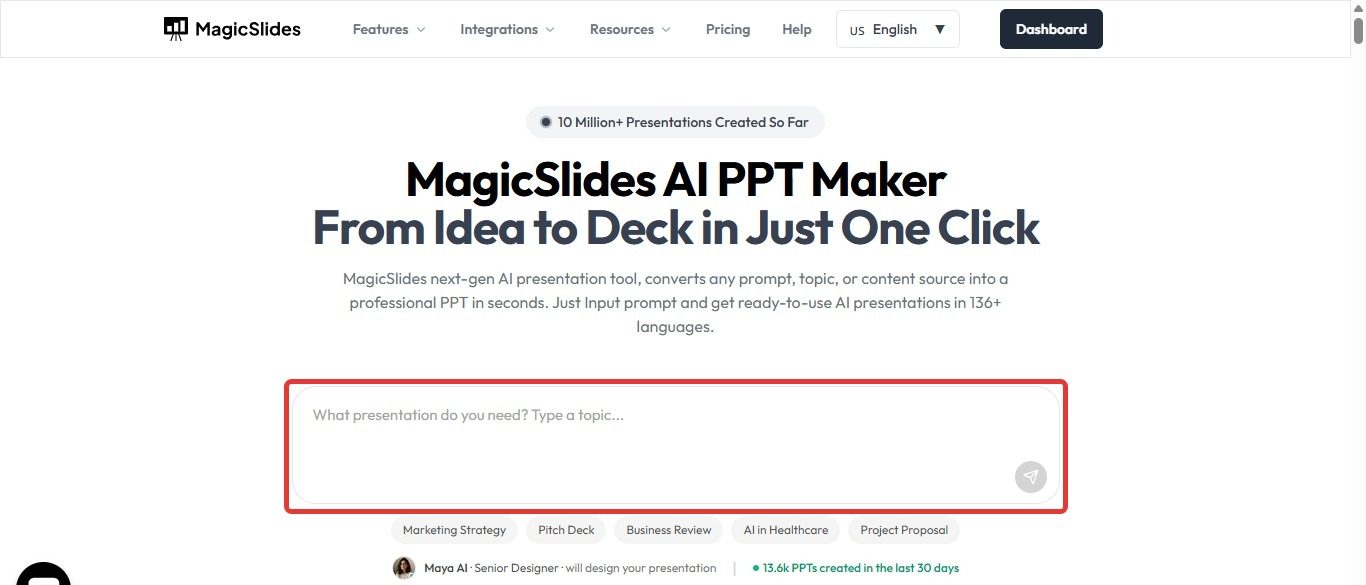
Instead of manually creating slides for physical, semantic, cultural, or technological barriers, MagicSlides automatically organizes your content into polished, presentation-ready slides in seconds.
Conclusion
Communication barriers are a common part of everyday life, but understanding them is the first step toward better communication. From physical and psychological barriers to cultural and technological challenges, recognizing these issues helps improve teamwork, learning, and relationships. By using clear language, active listening, and the right tools, anyone can reduce misunderstandings and communicate more effectively.
Leave a Reply